A simple pair of slippers can make the difference between moving confidently around the house and risking a dangerous fall. For many seniors, this is not a small thing—it is a daily reality. Falls are one of the leading causes of injury among older adults, and a surprising number happen right at home. The bathroom. …

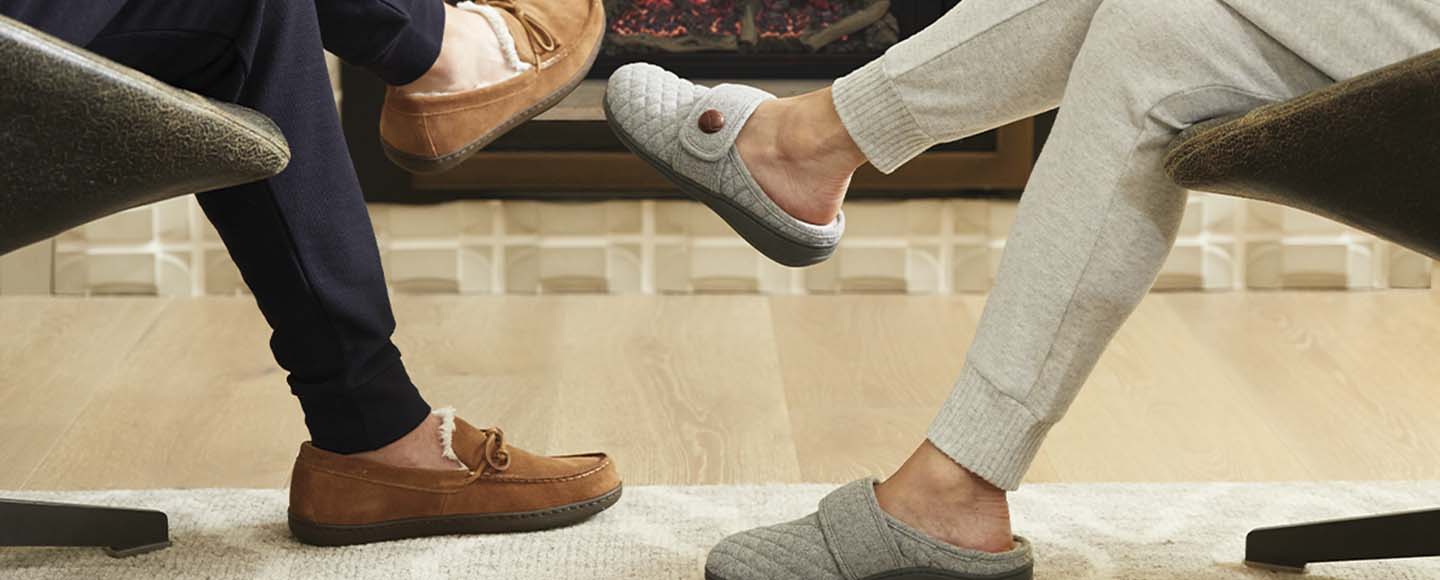
A simple pair of slippers can make the difference between moving confidently around the house and risking a dangerous fall. For many seniors, this is not a small thing—it is a daily reality.
Falls are one of the leading causes of injury among older adults, and a surprising number happen right at home. The bathroom. The kitchen. The hallway at 2 a.m. Often, the culprit is something as simple as a pair of worn-out slippers with no grip.
The good news is that the right footwear genuinely helps. Fall prevention slippers are designed specifically for this—combining non-slip soles, structured heel support, and orthopedic comfort in one easy-to-wear package.
In this guide, we have rounded up the best slippers for elderly to prevent falls in 2026—covering options for women, men, swollen feet, balance problems, arthritis, neuropathy, and more. Whether you are shopping for yourself or a loved one, this guide will help you make a confident, informed decision.
Top Fall Prevention Slippers for Seniors at a Glance
| Product | Best For | Non-Slip Grip | Closure Type | Indoor/Outdoor | Orthopedic Support | Width Options | Price Range |
|---|---|---|---|---|---|---|---|
| Vionic Indulge Relax | Best Overall | ✅ Rubber sole | Slip-on | Indoor | ✅ Podiatrist-designed | Standard/Wide | $$$ |
| Orthofeet Charlotte/Asheville | Balance Problems | ✅ Thick rubber | Velcro | Indoor/Outdoor | ✅ Wide stable base | Multiple | $$$$ |
| Git-up Adjustable Memory Foam | Swollen Feet | ✅ Non-slip | Velcro/adjustable | Indoor | ✅ Memory foam | Adjustable | $$ |
| RockDove Nomad | Budget Pick | ✅ Anti-slip | Slip-on | Indoor | Moderate | Standard/Wide | $ |
| Propét Cush ‘n Foot | Arthritis | ✅ Rubber | Easy closure | Indoor | ✅ Stretch comfort | Multiple | $$ |
| Skechers Ice Angel | Women's Style | ✅ Durable | Slip-on | Indoor | Moderate | Standard | $$ |
| Deer Stags Spun | Men's Style | ✅ Grip sole | Slip-on | Indoor | Moderate | Standard/Wide | $$ |
| Birkenstock Arizona Soft Footbed | Safe Sandal | ✅ Cork/rubber | Buckle strap | Indoor/Outdoor | ✅ Molded footbed | Multiple | $$$ |
Why Seniors Need Fall Prevention Slippers
Why Regular Slippers Can Be Dangerous
Most standard slippers were designed for warmth and comfort—not safety. For younger adults, this is usually fine. For seniors, it can be a real hazard.
Here is what makes ordinary slippers risky:
- Slick soles that offer zero grip on tile, hardwood, or laminate floors
- Backless or open-heel designs that can slide off mid-step
- Loose, oversized fit that causes shuffling and tripping
- Worn tread on older slippers that has lost whatever grip it once had
- Thin, flat soles with no arch or ankle support
Common fall locations at home include the bathroom (wet floors), kitchen (smooth tile), hallways (quick trips in low light), and stairs. In each of these spots, the wrong footwear dramatically increases risk.
Anti-fall slippers for elderly wearers address each of these problems directly—with features that regular slippers simply do not have.
Features That Help Prevent Falls
When you are shopping for the safest slippers for elderly family members or yourself, these are the features that actually matter:
- Rubber traction soles — deep-grooved outsoles that grip smooth floors
- Closed heel support — keeps the slipper securely on the foot with every step
- Orthopedic arch support — distributes weight evenly and reduces fatigue
- Adjustable closures — Velcro straps accommodate swelling and make fitting easier
- Wide, stable outsole — a broader base underfoot reduces the risk of rolling the ankle
- Lightweight construction — heavy slippers cause shuffling; lighter ones encourage natural walking
- Shock absorption — cushioned midsoles reduce joint stress on hard floors
You do not need every single feature in one slipper—but the more boxes checked, the safer and more comfortable the choice.
Who Benefits Most From Anti-Fall Slippers?
Fall prevention slippers are especially helpful for seniors who experience:
- Balance problems — a wider, grippier sole provides a more stable platform underfoot
- Arthritis — easy closures and cushioned interiors reduce pain and stiffness
- Neuropathy — extra cushioning protects feet that have reduced sensation
- Parkinson's disease — structured heels and grip soles help reduce shuffling
- Diabetes — diabetic-friendly designs with seamless liners protect sensitive feet
- Swollen feet or edema — adjustable, wide designs accommodate changing foot size
- Post-surgery recovery — supportive, easy-to-put-on styles make healing more comfortable
If any of these apply to you or your loved one, prioritizing footwear with genuine safety features is not optional—it is essential.
Best Slippers for Elderly to Prevent Falls — Full Reviews
Here is a closer look at our top picks, with the details that matter most for safety and comfort.
1. Vionic Indulge Relax Slipper — Best Overall
Best For: Everyday indoor use with podiatrist-grade support
Key Features:
- Podiatrist-designed biomechanical footbed
- Deep heel cup for stability and alignment
- Durable rubber outsole with strong traction
- Plush microfiber lining for all-day comfort
- Moisture-wicking interior
Pros:
- Genuine orthopedic support that you actually feel
- Rubber sole performs well on hardwood and tile
- Holds shape well over months of use
- Comes in wide widths
Cons:
- Higher price point than basic slippers
- Slip-on style (no strap) may not suit those needing extra security
Why It Is Good for Seniors: Vionic's podiatrist-designed footbed does something that most slippers do not—it actively supports the arch and positions the heel correctly. This reduces fatigue, minimizes joint stress, and helps seniors walk more naturally and steadily.
Sizing Notes: Runs slightly small; consider sizing up half a size. Wide widths are available.
Safety Notes: The rubber outsole provides reliable grip on smooth indoor surfaces. Not ideal for wet floors—no slipper is.
Bottom Line: If you are looking for one slipper that delivers real orthopedic support alongside genuine slip resistance, the Vionic Indulge Relax is our top recommendation. It is an investment in safety that pays off every single day.
🛒 Check Price on Official Site
2. Orthofeet Charlotte / Asheville — Best for Balance Problems

Best For: Seniors with balance problems, wide feet, or instability concerns
Key Features:
- Extra-wide, stable base for improved balance
- Thick rubber non-slip outsole
- Velcro strap closure for secure fit
- Ergonomic orthopedic insole
- Lightweight foam upper
Pros:
- Wide base genuinely improves lateral stability
- Velcro makes it easy to put on and adjust
- Multiple width options including extra-wide
- Excellent for neuropathy and diabetic feet
Cons:
- More shoe-like than traditional slipper
- Limited style options
Why It Is Good for Seniors: The Orthofeet design is built around one core idea—maximizing stability underfoot. The wide base, structured heel, and non-slip rubber sole work together to give seniors with balance problems a much more secure foundation with every step.
Sizing Notes: True to size. Available in multiple widths from standard to XX-wide.
Safety Notes: The Velcro closure prevents the slipper from slipping off mid-step—one of the most common causes of indoor falls.
Bottom Line: For seniors with balance problems, this is one of the best slippers for elderly with balance problems available anywhere. The stability it provides is noticeable from the very first wear.
🛒 Check Price on Official Site
3. Git-up Adjustable Memory Foam Slipper — Best for Swollen Feet

Best For: Seniors with edema, swollen feet, or feet that change size throughout the day
Key Features:
- Opens wide to accommodate swelling
- Adjustable Velcro closure
- Memory foam insole
- Non-slip rubber bottom
- Breathable mesh upper
Pros:
- Opens flat for easy step-in—no bending required
- Adjustable strap fits feet at any stage of swelling
- Memory foam cushions sensitive pressure points
- Very lightweight
Cons:
- Less structured than orthopedic designs
- Not the most durable option
Why It Is Good for Seniors: Swollen feet make most footwear difficult or impossible to wear comfortably. This slipper solves that problem with a wide opening and flexible adjustable strap that adapts to foot size. Memory foam then cradles each step without adding pressure.
Sizing Notes: Size up if between sizes. The adjustable design gives extra flexibility.
Safety Notes: Non-slip rubber sole provides adequate grip for indoor surfaces.
Bottom Line: If swollen feet have made finding comfortable footwear a frustrating experience, these diabetic slippers for elderly wearers offer a simple, practical solution without the struggle.
4. RockDove Nomad / Isotoner Terry — Best Budget Pick
Best For: Seniors who want reliable safety features at an affordable price
Key Features:
- Anti-slip rubber outsole
- Memory foam insole
- Machine washable
- Soft terry or fleece lining
- Lightweight slip-on design
Pros:
- Very affordable without sacrificing core safety
- Machine washable—great for hygiene
- Comfortable memory foam cushioning
- Good traction for the price
Cons:
- Less structured support than premium options
- May compress quickly with daily use
Why It Is Good for Seniors: Not every household has room in the budget for premium orthopedic footwear. The RockDove Nomad delivers the two most important safety features—non-slip grip and comfortable cushioning—at a price that makes it easy to buy a pair for every room.
Sizing Notes: True to size. Wide sizes available in select colors.
Safety Notes: The rubber outsole performs well on dry indoor surfaces. Replace when tread shows wear.
Bottom Line: The best budget non-slip slippers for seniors on the market. Practical, washable, and genuinely safer than a standard slipper.
5. Propét Cush ‘n Foot — Best for Arthritis
Best For: Seniors with arthritis, reduced grip strength, or hand mobility limitations
Key Features:
- Stretch knit upper expands to fit swollen or arthritic feet
- Easy-close design requires minimal hand dexterity
- Cushioned insole with good shock absorption
- Non-slip rubber outsole
- Seamless interior to prevent pressure points
Pros:
- Stretch upper accommodates foot shape changes throughout the day
- Easy to put on without bending or pulling
- Seamless lining protects sensitive feet
- Good cushioning for hard floors
Cons:
- Minimal arch support compared to orthopedic designs
- Casual appearance only
Why It Is Good for Seniors: Arthritis makes putting on footwear painful when it requires force, gripping, or bending. The Propét Cush ‘n Foot removes all of that friction—the stretch upper slips on gently, and the cushioned interior makes walking more comfortable throughout the day.
Sizing Notes: Runs slightly wide. Good for broad or arthritic feet.
Safety Notes: Non-slip sole handles indoor flooring well. The stretch fit stays securely on the foot, reducing shuffling risk.
Bottom Line: A compassionate design for a very real challenge. For seniors with arthritis, this is one of the most easy-to-wear options available.
🛒 Check Price on Official site
Best Slippers for Elderly Women to Prevent Falls
When it comes to the best slippers for elderly women to prevent falls, a few additional priorities tend to matter: lightweight construction, easy step-in designs, washability, and styles that feel comfortable without looking clinical.
6. Skechers Ice Angel — Best Women's Style
Best For: Women who want a stylish, lightweight, washable slipper with good indoor grip
Key Features:
- Lightweight knit upper
- Machine washable
- Memory foam insole
- Durable rubber outsole with traction
- Cozy plush lining
Pros:
- Genuinely lightweight—reduces foot fatigue
- Easy to wash and maintain
- Comfortable for extended wear
- Attractive styling
Cons:
- Less structured support than orthopedic options
- Open-back design on some versions (choose closed-back for safety)
Why It Is Good for Seniors: Many older women find that heavy slippers increase fatigue and cause a shuffling gait—which itself creates fall risk. The Skechers Ice Angel's lightweight construction encourages a more natural step. The rubber outsole keeps grip reliable on hardwood and tile.
Sizing Notes: True to size. Choose the closed-back version for safer indoor wear.
Safety Notes: Select the closed-heel version to ensure the slipper stays securely on the foot.
Bottom Line: One of the safest slippers for elderly women who want both comfort and a bit of style—without compromising on grip.
Best Slippers for Elderly Men to Prevent Falls
For men, the priorities for the best slippers for elderly men to prevent falls often include indoor/outdoor durability, extra-wide sizing, and a traditional supportive sole that pairs with a classic loafer-style look.
7. Deer Stags Spun — Best Men's Style
Best For: Men who want a traditional look with a safe, grippy outsole
Key Features:
- Classic loafer-style design
- Non-slip rubber outsole
- Memory foam footbed
- Indoor/outdoor capable
- Available in wide widths
Pros:
- Durable enough for indoor/outdoor use
- Traditional look that does not feel medical
- Wide widths accommodate broader feet
- Good arch cushioning
Cons:
- Heavier than soft fabric slippers
- Slip-on style without strap
Why It Is Good for Seniors: Many older men resist wearing “medical-looking” footwear. The Deer Stags Spun delivers genuine safety features inside a familiar, respectable design that feels like a normal shoe. The rubber sole performs well on a range of surfaces.
Sizing Notes: True to size. Wide (W) widths available.
Safety Notes: The indoor/outdoor sole is thicker and more durable than most slippers, offering better grip in high-traffic areas of the home.
Bottom Line: A supportive house shoe for senior men that looks good, wears well, and keeps safety front of mind.
Best Sandals for Elderly to Prevent Falls
Many seniors genuinely prefer sandals—and for good reasons. Sandals can be easier to put on, more breathable, better suited for swollen feet, and less restrictive for those with wide or sensitive feet.
But not all sandals are created equal. Before we get to recommendations, there is one important safety point worth making:
Flip-flops are dangerous for seniors. They offer zero heel support, no grip, and can easily slide off mid-step. If you or a loved one reaches for flip-flops out of convenience, this article is for you.
What Makes a Sandal Safe for Seniors?
Safe sandals for elderly wearers include:
- Back straps or heel straps — keeps the sandal securely on the foot
- Adjustable Velcro or buckle straps — adapts to swelling and foot shape
- Cork or molded footbeds — supports the arch and distributes weight properly
- Anti-slip rubber outsoles — grips smooth and lightly uneven surfaces
- Closed-toe option — adds protection for neuropathic or diabetic feet
8. Birkenstock Arizona Soft Footbed — Best Safe Sandal
Best For: Seniors who prefer open footwear with genuine orthopedic support
Key Features:
- Molded cork and latex footbed that contours to the foot over time
- Two adjustable buckle straps for secure fit
- Anti-slip rubber outsole
- Deep heel cup for stability
- Soft footbed option for sensitive feet
Pros:
- Exceptional arch support
- Buckle straps keep the sandal firmly on the foot
- Durable enough for daily indoor and light outdoor use
- Contours to foot shape with wear
Cons:
- Requires a break-in period
- Open-toe design not ideal for all conditions
- Higher price point
Why It Is Good for Seniors: The Birkenstock footbed is one of the most studied and endorsed orthopedic designs in the world. The deep heel cup positions the foot correctly, the arch support reduces fatigue, and the adjustable straps mean the sandal never slips—making it one of the best sandals for elderly to prevent falls available today.
Sizing Notes: Available in narrow, regular, and wide. Measure your foot before ordering.
Safety Notes: Never wear without the straps buckled. The open heel is only safe when both straps are properly secured.
Bottom Line: If you have been told sandals are unsafe for seniors, the Birkenstock Arizona is the exception. Properly fitted and buckled, it offers meaningful fall prevention alongside excellent orthopedic comfort.
Best Slippers for Elderly With Balance Problems
For seniors who experience balance problems, the design of their footwear matters enormously. Slippers for seniors with balance problems need to do more than just grip the floor—they need to create a stable, predictable platform underfoot.
Look for:
- Wide base outsoles — a broader footprint reduces the risk of lateral tipping
- Closed heel with secure fit — no sliding, no shuffling
- Low, flat profile — elevated heels shift the center of gravity and increase fall risk
- Firm midsole — soft, compressible midsoles can feel unstable; a firmer base provides more reliable footing
- Anti-shuffle design — lightweight uppers that do not drag on the ground
The Orthofeet Charlotte/Asheville (reviewed above) is our top pick for this category, but any of the slippers in this guide that feature a Velcro closure and wide-base rubber outsole will provide meaningful support for balance concerns.
Best Orthopedic Slippers for Elderly
Orthopedic slippers for seniors go beyond grip and support—they are specifically designed to address the internal structure of the foot. This matters most for seniors dealing with:
- Plantar fasciitis — pain along the bottom of the foot, especially first thing in the morning
- Arthritis — joint inflammation that makes hard surfaces painful to walk on
- Diabetic feet — reduced circulation and sensation that requires careful pressure management
- Neuropathy — loss of sensation that requires protective, cushioned footwear
Key orthopedic features to look for:
- Contoured arch support — not just a flat insole, but one shaped to match the natural arch
- Deep heel cup — cradles the heel and reduces strain on the plantar fascia
- Pressure relief zones — extra cushioning under the ball of the foot and heel
- Shock absorption — EVA or memory foam midsoles reduce impact on joints
- Seamless interior — no stitching or ridges to create pressure points on sensitive feet
Both Vionic Indulge Relax and Orthofeet models are certified or designed with podiatrist input, making them our top recommendations in the best orthopedic slippers for elderly category.
Slippers vs. Socks vs. Barefoot — What Is Safest for Seniors?
This is a question worth answering honestly, because many seniors default to one of these options without thinking through the risks.
Barefoot: Walking barefoot at home eliminates the risk of slipping on a loose slipper—but it trades one risk for several others. Bare feet offer no grip on smooth floors, no protection from cold surfaces, and no cushioning for aging joints. For most seniors, barefoot is not the safest option.
Regular socks: Socks on smooth floors are one of the most common causes of indoor falls. Even thick socks compress underfoot and create almost no friction on hardwood or tile. Standard socks are not recommended for daily indoor walking in seniors.
Non-slip socks: Grip socks with rubber dots on the sole are better than regular socks—but they still lack the structure, heel support, and cushioning of a proper slipper. They are useful as a supplement (e.g., in bed, getting up at night) but are not a replacement for footwear.
Standard slippers: Comfortable, but often too loose, too flat, and too worn to be safe for daily use. Many falls happen in standard slippers.
Fall prevention slippers: The clear winner for daily indoor use. They combine traction, structure, cushioning, and fit into one purpose-built design that significantly reduces indoor fall risk.
The verdict: Supportive, non-slip slippers are generally the safest choice for daily indoor movement for seniors. For nighttime bathroom trips especially, a good slipper—kept right beside the bed—is one of the simplest fall prevention tools available.
Best Features to Look for in Fall Prevention Slippers
Non-Slip Rubber Soles
The single most important feature. Look for deep-grooved rubber outsoles, not painted-on grip patterns that wear off quickly. Good rubber grip performs on tile, hardwood, laminate, and vinyl.
Closed Heel Designs
Backless slippers slide off easily. A closed heel keeps the slipper securely in place during every step, including turning, reaching, and moving quickly. This is non-negotiable for safety.
Adjustable Velcro Closures
Velcro closures allow a custom fit each time the slipper is put on. This is especially important for seniors with swollen feet, as foot size can change throughout the day.
Orthopedic Arch Support
A contoured insole that supports the arch reduces fatigue and helps maintain proper alignment. Flat insoles may feel soft, but they do not support the foot structure—and over time, this increases pain and instability.
Wide Widths for Swollen Feet
Standard widths may feel tight and uncomfortable for seniors with edema or naturally wide feet. Look for W (wide) or XW (extra-wide) sizing options.
Lightweight Construction
Heavy slippers cause shuffling—a gait pattern that dramatically increases fall risk. Lighter slippers encourage a more natural, lifted step.
Indoor/Outdoor Durability
A more durable outsole means the slipper can be worn to the mailbox, in the garage, or on a patio without wearing down quickly. This is especially useful for seniors who do not want to change shoes for brief outdoor trips.
Machine Washable Materials
Hygiene matters for foot health. Washable slippers can be cleaned regularly, reducing bacteria, odors, and skin irritation.
Common Mistakes Seniors Make When Choosing Slippers
Wearing Backless Slippers
Mules and backless slippers are convenient to slip into—but that same convenience makes them dangerous. Without a heel counter, the slipper can slide off during any quick movement. Choose closed-heel designs instead.
Choosing Soft Soles With No Grip
Many slippers have soft foam or felt soles that feel comfortable but provide almost no traction. On any smooth indoor surface, these soles are essentially frictionless.
Wearing Oversized Slippers
Slippers that are too big cause the toes to grip and the foot to slide inside the slipper—a shuffling gait that significantly increases trip risk. Always choose the correct size.
Using Worn-Out Slippers
Old slippers are one of the most underappreciated fall risks in the home. Once the tread wears down, the grip is gone—even if the slipper still looks acceptable.
Prioritizing Warmth Over Stability
It is tempting to choose the fluffiest, warmest slipper available. But if that slipper has a flat sole, no heel, and no grip, warmth comes at the cost of safety. Look for designs that deliver both.
When Should Seniors Replace Their Slippers?
This is something many seniors—and their families—overlook. Most people keep slippers far longer than is safe.
Here is when it is time to replace:
- Tread is visibly worn flat — the outsole no longer grips the floor effectively
- Cushioning has compressed — if you can feel every step through the sole, it is no longer absorbing impact
- The fit has become loose — slippers stretch and lose shape over time
- Uneven wear pattern — one side wearing faster than the other can cause gait instability
- Loss of closure effectiveness — Velcro that no longer sticks is no longer providing a secure fit
A useful rule of thumb: Replace slippers every 6–12 months with daily use, regardless of how they look. The grip may be gone long before the slipper shows obvious visible wear.
Additional Fall Prevention Tips at Home
Even the best fall prevention slippers work best as part of a broader home safety approach. Consider these simple changes:
- Remove loose rugs and mats — even non-slip rugs can shift and catch a foot
- Improve lighting — install nightlights in hallways and bathrooms for safe nighttime movement
- Install grab bars — next to the toilet, in the shower, and at the top of stairs
- Use non-slip bath mats — inside and outside the shower or tub
- Keep floors clutter-free — clear pathways of cords, shoes, and objects that can be tripped over
- Store essentials at reachable heights — avoid stretching or reaching overhead, which disrupts balance
Good slippers protect you on the move. Good home setup protects you everywhere else.
Frequently Asked Questions
What are the best slippers for elderly to prevent falls?
The best options combine a closed heel, non-slip rubber sole, and supportive insole. Our top overall pick is the Vionic Indulge Relax for its podiatrist-designed support and reliable grip. For those with balance problems, the Orthofeet Charlotte/Asheville offers an exceptionally stable base.
Are orthopedic slippers better for seniors?
Yes, for most seniors. Orthopedic slippers for seniors provide structured support for the arch and heel that reduces fatigue, minimizes joint pain, and helps maintain a more stable walking gait. Standard slippers typically offer only cushioning—not true structural support.
Are backless slippers safe for seniors?
No. Backless slippers are one of the most common footwear-related fall risks. Without a heel counter, the slipper can slide off during any quick or sideways movement. Seniors should always choose a closed-heel design.
What slippers help seniors with balance problems?
Look for slippers with a wide, stable outsole, Velcro closure for a secure fit, and a firm (not overly soft) midsole. The Orthofeet range is specifically designed with lateral stability in mind and is one of the best options for slippers for seniors with balance problems.
Are rubber soles safer for elderly slippers?
Yes. Rubber outsoles—especially those with deep grooves or tread patterns—provide significantly better grip on smooth indoor surfaces than felt, foam, or synthetic soles. This is the most important single feature in a fall prevention slipper.
Can slippers really help prevent falls?
Yes. Research consistently shows that footwear with proper grip, heel support, and fit reduces indoor fall risk in older adults. This does not mean slippers alone prevent all falls—but they are a meaningful, practical part of a broader fall prevention approach.
Are sandals safe for elderly people indoors?
Only certain sandals. Sandals for elderly wearers need a back strap (to keep them on the foot), adjustable straps (for fit), and a non-slip sole. The Birkenstock Arizona with its molded footbed and buckle straps is an example of a sandal that offers genuine safety. Flip-flops, open-back sandals, and foam slides are not safe for seniors.
How often should seniors replace slippers?
Every 6–12 months with daily use. Worn tread, flattened cushioning, and a loose fit are all signs that it is time for a new pair. Many seniors keep slippers well past the point where they are still safe.
Are memory foam slippers good for seniors?
Memory foam provides excellent cushioning and pressure relief, which is beneficial for seniors with arthritis, neuropathy, or diabetic feet. However, memory foam on its own can compress quickly and become too soft for stability. Look for slippers that combine memory foam comfort with a firm rubber outsole and structured heel.
What are the safest house shoes for elderly women?
The safest indoor shoes for senior women combine a closed heel, non-slip rubber sole, and adjustable or easy-close fit. Our top women's picks are the Vionic Indulge Relax for overall support and the Skechers Ice Angel (closed-back version) for lightweight everyday comfort.
Conclusion
Choosing the right pair of slippers is one of the simplest, most effective steps a senior—or their family—can take to reduce indoor fall risk. It does not require a major lifestyle change. It just requires paying attention to the details that actually matter: grip, heel support, fit, and structure.
The best slippers for elderly to prevent falls are not the softest ones, or the warmest ones, or the most affordable ones. They are the ones that provide a reliable, stable, cushioned foundation for every step taken at home.
Whether you are managing arthritis, balance concerns, swollen feet, or simply want the peace of mind that comes with safer footwear, there is an option on this list that is made for you.
Take a few minutes to compare your options, check the sizing notes, and read recent customer reviews. A better, safer pair of slippers is a small investment with a meaningful return—every single day.
This article contains affiliate links. If you purchase through these links, SeniorCouch may earn a small commission at no extra cost to you. All recommendations are based on product research, safety features, and senior-focused criteria.