Best Back Brace for Elderly: Comfortable Support for Seniors If getting up from a chair, gardening, or even standing at the sink has started to bother your lower back, you're far from alone. Back discomfort is one of the most common complaints among older adults, and it has a way of quietly shrinking your world …

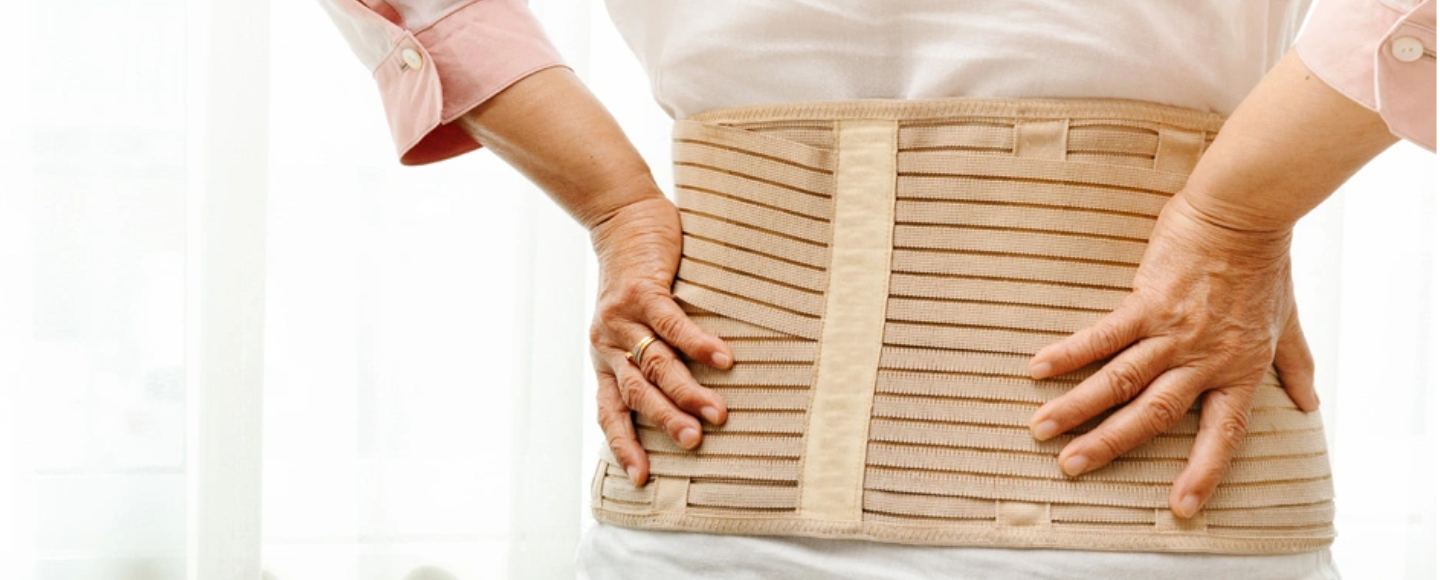
Best Back Brace for Elderly: Comfortable Support for Seniors
If getting up from a chair, gardening, or even standing at the sink has started to bother your lower back, you're far from alone. Back discomfort is one of the most common complaints among older adults, and it has a way of quietly shrinking your world — fewer walks, shorter grocery trips, more time sitting still.
A back brace for elderly adults can offer extra support around the lower back and abdomen, helping some seniors feel steadier and more comfortable while doing the things they enjoy. It's not a miracle fix, and it won't replace a strong core or a doctor's advice — but for the right person, it can make daily movement feel a little less guarded.
Before we go further, one honest note: a brace is a support tool, not a treatment. If you or a loved one has osteoporosis, scoliosis, a recent injury, numbness, or pain that's severe or getting worse, please talk with a doctor or physical therapist before choosing one. We'll cover exactly when that conversation matters most later in this guide.
Here's what actually matters when you're comparing back braces for seniors: support level, comfort, adjustability, breathability, weight, and — just as important — how easy the thing is to put on with hands that may not grip like they used to. That last point gets skipped in most reviews, and it shouldn't be. So let's walk through it together, the way we'd want someone to walk us through it.
Quick Comparison: Best Back Braces for Seniors at a Glance
| Back Brace | Best For | Support Level | Weight | Best Feature |
|---|---|---|---|---|
| Sparthos Back Brace | Overall daily support | Medium | Light | Low-pull-force straps |
| Mueller Lumbar Support Back Brace | Lower back pain & sciatica | Medium/Firm | Medium | Steel stay stability |
| ComfyBrace Posture Corrector | Posture | Light/Medium | Very Light | Soft, padded straps |
| ComfyMed CM-192 | Weak grip or arthritic hands | Medium | Light | Easy-pull D-ring handles |
| BraceUP Lower Back Support Belt | Elderly women, smaller frames | Light/Medium | Very Light | Slim, low-profile fit |
| Featol Back Brace | Active seniors (gardening, walking, chores) | Medium | Light | Breathable 3D mesh |
Keep this table nearby — we'll go through each one in more detail below, including who it's genuinely best for and where it falls short.
Best Back Braces for Elderly Adults
There isn't one “best” back brace for every senior. The right choice depends on why you're wearing it — sciatica pain, posture, general stability, or just a little extra confidence while you're out and about. Here's how the top options stack up, reviewed with an older adult's daily life in mind, not a gym-goer's.
1. Best Overall Back Brace for Seniors: Sparthos Back Brace
This one earns “best overall” because it does a lot of things well without overdoing any of them. It has a removable lumbar pad, flexible support stays, and breathable mesh panels that don't trap heat.
What stands out for seniors specifically: the dual-adjustment straps are wide and require very little pull force to tighten — a real advantage if arthritis has made gripping and yanking uncomfortable. It's also slim enough to wear under loose clothing without feeling bulky.
- Support level: Medium
- Adjustability: High
- Breathability: Good, mesh panel construction
- Can be worn under clothing: Yes
- Grip strength needed: Low
Possible drawback: if you need firm, rigid support for more serious lower-back pain, this may feel a bit too gentle.
🛒 Check Price on Amazon
2. Best for Lower Back Pain and Sciatica: Mueller Lumbar Support Back Brace
Sciatica has a way of making sitting, standing, and walking all feel like separate ordeals. This brace uses dual-layer compression and rigid steel stays along the spine, which helps take some pressure off the sciatic nerve during everyday movement.
It's a firmer brace than most on this list, which is exactly why it earns this category. Firm support isn't automatically “better” for everyone — but for lower back pain that radiates down the leg, that extra stability can genuinely help.
- Support level: Medium/Firm
- Best for: Sciatica, chronic lower back discomfort
- Wear time: Best in shorter, guided sessions rather than all day
- Grip strength needed: Moderate (buckle-style closures)
A gentle reminder here: if sciatica pain is new, sudden, or comes with numbness or weakness in the leg, that's worth a doctor's visit before you lean on any brace for relief.
🛒 Check Price on Amazon
3. Best Posture Corrector: ComfyBrace Posture Corrector
Rounded shoulders and a forward-leaning posture are common as we age, often from years of sitting or simply how our muscles settle over time. This isn't a rigid harness that digs under the arms — it uses soft, padded, fully adjustable straps that gently draw the shoulders back without pinching thin or sensitive skin.
A word of honesty: a posture corrector works best as a reminder, not a fix. It won't rebuild upper-back strength on its own, but it can help you notice when you're slouching — and that awareness matters.
- Support level: Light/Medium
- Fabric: Soft neoprene, breathable
- Best for: Rounded shoulders, mild posture support, desk or dining-table sitting
- Grip strength needed: Low
🛒 Check Price on Amazon
4. Best for Low Grip Strength or Arthritic Hands: ComfyMed Premium Quality Back Brace (CM-192)
This is the pick we'd point to first if arthritis, reduced grip strength, or a tremor makes fastening straps genuinely difficult. The CM-192 uses easy-to-grab D-ring pull handles, so tightening the brace takes a gentle pull rather than a firm squeeze-and-yank motion.
For a caregiver helping a parent get dressed in the morning, this design also cuts down on the frustration of fumbling with small Velcro tabs.
- Support level: Medium
- Closure type: D-ring pull handles
- Best for: Arthritis, limited hand strength, early Parkinson's-related dexterity changes
- Grip strength needed: Very low
🛒 Check Price on Amazon
5. Best for Elderly Women (Slim, Low-Profile Fit): BraceUP Lower Back Support Belt
Many braces are built with a broad, one-size-fits-most shape that doesn't sit comfortably on a smaller frame. This one is noticeably slimmer, contours more naturally to smaller waistlines and hips, and stays discreet under a blouse or dress rather than creating a bulky line.
- Support level: Light/Medium
- Profile: Slim, low-bulk
- Best for: Smaller frames, everyday wear under clothing
- Grip strength needed: Low
Worth knowing: because it's on the lighter side, it's better suited to general support and comfort than to firm stabilization after an injury.
🛒 Check Price on Amazon
6. Best for Active Seniors: Featol Back Brace
If you're the type who's out gardening, walking the dog, or on your feet cooking most of the day, breathability becomes just as important as support. The Featol uses 3D mesh material that lets air circulate, which cuts down on the sweaty, sticky feeling that makes people give up on wearing a brace altogether.
- Support level: Medium
- Breathability: Excellent
- Best for: Light activity, standing, chores, outdoor time
- Weight: Light
🛒 Check Price on Amazon
How We Chose the Best Back Braces for Seniors
We didn't just look at star ratings. Every product above was evaluated against criteria that actually matter for an older adult's daily life:
- Support: Does it offer real lumbar or abdominal support, not just the appearance of one?
- Comfort: Can it be worn for a few hours without digging in or riding up?
- Grip strength & closures: Can someone with arthritic or weaker hands fasten it independently? We looked specifically for pulley-style pulls and oversized finger loops.
- Skin sensitivity: Aging skin is thinner and bruises or tears more easily. We flagged any brace with rough exposed Velcro or rigid plastic stays that could rub directly against bare skin.
- Ease of use: Including something most reviews skip entirely — how easy is it to loosen and readjust for a quick bathroom break, without a full re-fitting process?
- Breathability: Especially important for anyone wearing it for more than an hour or two.
- Weight and bulk: A heavy, industrial-feeling belt often gets left in a drawer after week one. Lighter designs get worn consistently, which is really the whole point.
- Adjustability: Does it fit a range of body shapes, not just an “average” frame?
- Value: Do the features justify the price, compared with similar options?
- Real customer feedback: What people actually say after weeks of daily wear, not just the first impression.
Our Buying Philosophy
Here's the honest truth: the goal was never to find the strongest brace on the market. The goal was to find the one that actually gets worn — the one a senior can put on by themselves, breathe comfortably in, and take off again without a struggle. Support, comfort, mobility, and independence all have to work together. A brace that “wins” on paper but sits in a drawer helps no one.
Types of Back Braces for Elderly Adults
Not all back braces are built for the same purpose. Here's a plain-English breakdown so you know what you're actually shopping for.
Lumbar Support Belts
These wrap around the lower back and abdomen and are the most common choice for everyday support — standing for longer periods, light activity, or general lower-back comfort.
Lower Back Braces
Similar to lumbar belts, but often with more structured panels or stays for a bit more targeted stability. These sit a step up from a basic belt without being a full medical-grade brace.
Posture Correctors
These focus on the upper back and shoulders rather than the lumbar spine. They're designed to gently pull the shoulders back, not to compress the abdomen.
Full Back Braces
These cover more of the torso and offer broader support. Someone recovering from a more significant back issue, under a clinician's guidance, might be pointed toward this style.
Compression Back Supports
These emphasize adjustable, even compression across the lower back rather than rigid stays. They tend to be more flexible and comfortable for all-day, light wear.
How to Choose the Best Back Brace for an Elderly Person
This is the part worth slowing down for, because the “best” brace really does depend on the details.
1. Consider Why You Need the Brace
A brace for everyday lower-back comfort looks different from one meant to support sciatica, posture, or recovery from an injury. Be honest about your main reason — it'll save you from buying the wrong type entirely.
2. Choose the Right Level of Support
- Light support → everyday comfort, posture reminders
- Medium support → general lumbar support, most common choice
- Firm support → more restrictive, and worth choosing carefully rather than automatically
More support isn't always better. A brace that's too firm for your actual needs can feel restrictive and end up unworn.
3. Check the Sizing Carefully
- Measure your waist according to the manufacturer's instructions (usually at the belly button, not the hip).
- Compare that number to the brand's specific size chart — sizing varies a lot between brands.
- Don't size based on your clothing size. It's one of the most common — and most avoidable — mistakes.
4. Look for Easy-to-Use Closures
This matters more than almost anything else for seniors, especially with reduced grip strength. Look for:
- Large Velcro tabs instead of small, fiddly ones
- D-ring or finger-loop pull straps
- Simple, one-motion buckles
- Handles designed to be gripped, not pinched
5. Consider Breathability
A brace made from thick, non-breathable material gets uncomfortable fast, especially in warmer months or during light activity. Mesh panels and moisture-wicking fabric make a real difference in whether the brace actually gets worn.
6. Mind the Weight and Bulk
A heavy, stiff, industrial-style belt can feel overwhelming rather than supportive. Lighter designs are generally more comfortable for daily use and easier to travel with.
7. Make Sure It Allows Comfortable Movement
Sit down, stand up, and take a few steps while trying it on if you can. A good brace supports you — it shouldn't fight you every time you move.
Does Medicare Cover Back Braces for Seniors?
This comes up a lot, so let's answer it plainly: most over-the-counter back braces you'd buy on Amazon are not covered by Medicare.
Medicare Part B may cover a back brace as durable medical equipment (DME), but generally only when it's a custom-fitted or prescribed rigid orthotic, ordered by a doctor for a specific diagnosed condition — not a general support belt purchased for everyday comfort. If cost is a concern and you have a diagnosed spinal condition, it's worth asking your doctor whether a prescribed brace would qualify, and checking directly with Medicare or your specific plan for current coverage details, since rules and plans can change.
For everyday comfort and support, the options in this guide are the more practical (and far more affordable) route.
Back Brace for Elderly Osteoporosis: Is It Safe?
Osteoporosis makes bones — including the vertebrae in the spine — more fragile and more vulnerable to fractures. That changes the calculation here.
A few honest points worth knowing:
- A generic, off-the-shelf lumbar brace isn't automatically appropriate for someone with osteoporosis.
- Some people are prescribed specific spinal orthoses designed for their exact condition — these are different from a general support belt.
- Anyone with osteoporosis should talk with a doctor or physical therapist before using a brace regularly, including how much support is actually needed and for how long.
- A brace should never be used to mask new or worsening back pain. That kind of pain needs medical attention, not just extra support.
This isn't about causing worry — it's about making sure the right kind of support gets used for the right reason.
Back Brace for Elderly Scoliosis: Does It Help?
Scoliosis in an older adult is a different situation than scoliosis diagnosed in childhood, and bracing decisions really do depend on the individual case.
A general posture brace or lumbar support belt is not the same thing as a medically prescribed scoliosis orthosis, and it isn't designed to correct spinal curvature. If scoliosis is a known part of your (or a loved one's) health history, it's worth having a conversation with a doctor or physical therapist about whether any bracing is appropriate, and what type would actually help — rather than assuming a store-bought brace will do that job.
How Long Should an Elderly Person Wear a Back Brace?
There's no single right answer, but a few sensible guidelines apply broadly:
- Follow the manufacturer's instructions for that specific product.
- If it's new to you, start with shorter periods and see how your body responds.
- Take breaks throughout the day rather than wearing it continuously.
- Don't wear it longer just because it feels supportive — comfort isn't the same as necessity.
- If a clinician prescribed the brace, follow their specific instructions over general guidance.
Relying on a brace for extended, all-day support over the long term isn't necessarily the right approach for everyone. For many people, a brace works best as an occasional tool, not a daily habit.
How to Put On a Back Brace Correctly
Getting the fit right makes the difference between a brace that helps and one that just feels annoying. Here's a simple step-by-step approach:
Step 1: Position It Behind the Back
Center the back panel directly over your lower back curve, with the bottom edge resting just above your hip bones. Getting this alignment right before tightening anything saves you from having to redo the whole process.
Step 2: Fasten the Main Band
Wrap the primary band around your abdomen and secure the main closure. It should feel comfortably snug — supportive, but you should still be able to take a full, deep breath without strain.
Step 3: Engage the Side Pull-Straps
Using the finger loops, D-rings, or handles, pull both side straps forward at the same time and press them onto the front panel to lock in the extra lumbar support.
Step 4: Test It by Moving
Sit down, stand up, and take a few steps. If it digs into your ribs, rolls up at the waist, or restricts your breathing, that's your cue to loosen the secondary straps slightly.
Step 5: Recheck Throughout the Day
Braces can shift as you move. If it starts riding up or slipping down after an hour, take a moment to readjust rather than pushing through the discomfort.
Common Mistakes Seniors Should Avoid When Wearing a Back Brace
- Choosing the wrong size based on clothing rather than actual measurements
- Wearing it too tightly, thinking tighter equals more support
- Wearing it all day, every day, without any guidance
- Automatically choosing the firmest option available
- Using a brace as a substitute for seeing a doctor about ongoing pain
- Sleeping in it without a professional's specific recommendation
- Ignoring numbness, tingling, or worsening pain while wearing it
- Wearing it directly over irritated, broken, or very sensitive skin
Can an Elderly Person Sleep With a Back Brace?
Generally, no — a back brace shouldn't be worn while sleeping unless a healthcare professional has specifically recommended it for your situation.
A few reasons why:
- Comfort: Compression during sleep can feel restrictive and disrupt rest.
- Skin pressure: Extended pressure in one position, especially on thinner skin, increases the risk of irritation.
- Breathing and mobility: Braces are designed for movement and support during activity, not for the stillness of sleep.
- Individual medical needs: Some people are given specific overnight guidance by a doctor — that instruction should always take priority over general advice like this.
When Should an Elderly Person See a Doctor for Back Pain?
A brace can help with everyday discomfort, but certain symptoms deserve a doctor's attention rather than a support belt. Consider seeking prompt medical care for:
- Sudden or severe back pain
- Pain that follows a fall or injury
- New weakness in the legs
- Numbness or tingling
- Loss of bladder or bowel control
- Fever accompanying back pain
- Unexplained weight loss
- Pain that keeps getting worse over time
- New, severe pain in someone with osteoporosis
This isn't meant to alarm you — most back discomfort is manageable and common. But these particular signs are worth a phone call, just to be safe.
Back Brace vs. Other Types of Back Support for Seniors
A brace isn't the only tool available, and sometimes it works best alongside — not instead of — these other options.
| Option | Best For | Main Advantage |
|---|---|---|
| Back brace | Temporary support during activity | Compression and stability |
| Lumbar cushion | Sitting for long periods | Supports seated posture |
| Posture corrector | Upper-back posture | Gentle, wearable reminder |
| Ergonomic chair | Daily sitting at home | Long-term comfort |
| Heating pad | Temporary relief | Soothing warmth |
| Physical therapy | Strength and mobility | Addresses the root cause |
If back pain tends to flare up while sitting, pairing a brace with a supportive recliner can take real pressure off the spine — our guide to the Best Recliners for Elderly Women walks through options built for comfort and easy standing. For long stretches at the dining table or a desk, a dedicated seat cushion alongside your brace can help too — see our picks for the Best Lumbar Support Pillows for Seniors. And if you're leaning on a brace for stability while walking, proper footwear matters just as much — check our guide to the Best Shoes for Seniors for supportive options that pair well with any back brace.
Frequently Asked Questions About Back Braces for Elderly Adults
What is the best back brace for elderly people?
It depends on the reason you need one. For general everyday support, the Sparthos Back Brace is a strong all-around pick. For sciatica or firmer support, the Mueller Lumbar Support Back Brace tends to work better. The right choice comes down to your support needs, body size, and comfort preferences.
Do back braces help elderly people with lower back pain?
Many people find that a brace provides helpful temporary support and stability during activities like standing, walking, or light chores. It isn't a cure for the underlying cause of pain, so ongoing or worsening discomfort is worth discussing with a doctor.
What is the best back brace for lower back pain and sciatica?
Braces with rigid or semi-rigid stays, like the Mueller Lumbar Support Back Brace, tend to offer more targeted stability for sciatica-related discomfort than lighter, more flexible designs.
Is a back brace good for elderly posture?
A posture corrector can be a helpful gentle reminder to sit and stand taller, but it works best as a supplement to good habits — not a replacement for them.
Should elderly people with osteoporosis wear a back brace?
Only after speaking with a doctor or physical therapist. Osteoporosis changes how the spine should be supported, and a generic brace isn't automatically the right fit.
Can an elderly woman wear a back brace?
Absolutely. Slimmer, low-profile designs like the BraceUP Lower Back Support Belt are built specifically to fit smaller frames comfortably and discreetly under clothing.
Can elderly men wear the same back braces as women?
Yes, though men often prefer wider sizing and slightly firmer support. Braces like the Sparthos or Mueller options generally accommodate a broader size range comfortably.
Can you sleep while wearing a back brace?
Generally, it's best not to unless a healthcare professional has specifically advised it for your situation.
How tight should a back brace be?
Snug enough to feel supportive, but loose enough that you can still take a full, deep breath comfortably. If it leaves marks or restricts breathing, it's too tight.
Can wearing a back brace weaken your back?
Wearing a brace occasionally for support is generally fine. Relying on one constantly, for long stretches over months, may reduce reliance on your own core muscles over time — which is one more reason braces work best as an occasional support tool rather than a daily habit.
How long should seniors wear a back brace?
Follow the product's instructions, start with shorter wear times, and take breaks throughout the day. If a clinician prescribed it, follow their specific guidance first.
Final Verdict: Which Back Brace Is Best for Seniors?
Rather than crowning one single “best” brace, here's how we'd point different readers toward the right pick:
- Best overall: Sparthos Back Brace
- Best for lower back pain and sciatica: Mueller Lumbar Support Back Brace
- Best for posture: ComfyBrace Posture Corrector
- Best for arthritis or low grip strength: ComfyMed CM-192
- Best for elderly women: BraceUP Lower Back Support Belt
- Best for active seniors: Featol Back Brace
The right back brace should give you support without making everyday movement uncomfortable. Before you buy, double-check the sizing, support level, and closure type — and if you're considering a brace for a diagnosed spinal condition like osteoporosis or scoliosis, have that conversation with a doctor first. It's a small extra step that makes sure you end up with the support that's actually right for you.
If your lower back has been holding you back from the walks, gardening, or simple daily tasks you'd rather not think twice about, a well-fitted brace from the list above is a genuinely low-risk place to start.
🛒 Check Today's Price